



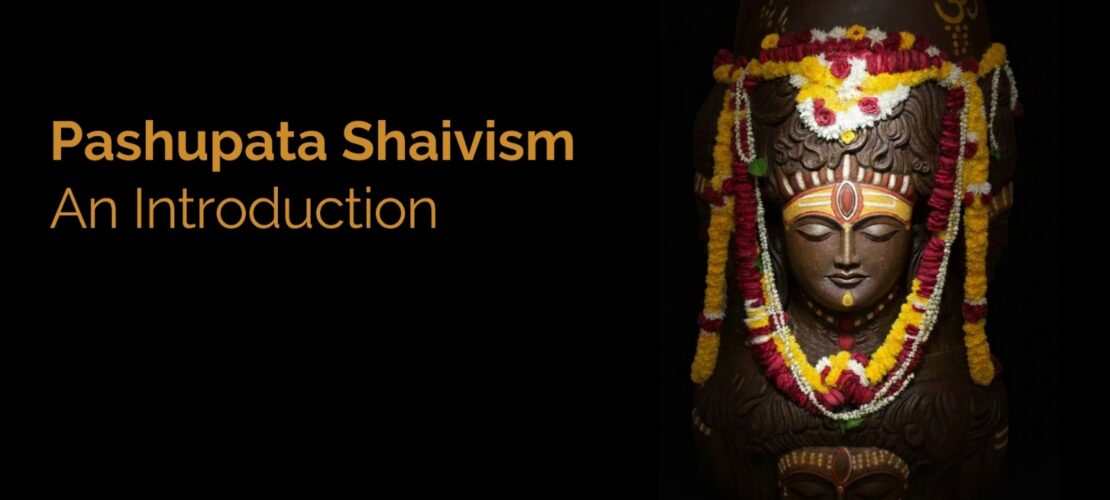
Pashupata Shaivism – An Introduction
Pāśupata Shaivism – An Introduction is a 15-hour foundational module that explores the origins, philosophy, texts, and living traditions of the Mahāpāśupata Rudra Paramparā. Bringing together Vedic, Tantric, Yogic, and Purāṇic perspectives, this course offers a clear understanding of India’s earliest Śaiva lineage and its enduring influence on later Śaiva, Yogic, and Tantric traditions.
Faculty
7 March 2026 - 20 June 2026
10 AM-11 AM IST
Every Saturday
Introduction
The Pāśupata tradition stands as one of the oldest and most influential streams of Śaivism, tracing its roots from the Vedic Rudra to the sophisticated tantric and yogic frameworks that evolved over millennia. This course provides a structured exploration of the Mahāpāśupata vision—its history, doctrines, practices, textual foundations, and relevance today. Designed for seekers, scholars, and practitioners, it bridges archaeology, scripture, metaphysics, yoga, and living tradition to illuminate the depth and continuity of the Rudra Paramparā.
Course Objectives
- Understand the historical evolution of the Pāśupata lineage from the Vedic era to modern times
- Identify key concepts such as Pati–Paśu–Pāśa, Atimārga, Mantramārga, and the Rudra Paramparā
- Recognize the Pāśupata contribution to Yoga, Tantra, and major Indic philosophical systems
- Familiarize themselves with the major Pāśupata scriptures—from Upaniṣads to Āgamas and Tantras
- Appreciate the role of Pāśupata thought in shaping later Śaiva, Nātha, Siddha, and ascetic orders
- Develop a foundational understanding of Pāśupata metaphysics, soteriology, and ritual–yogic disciplines
Course Outcomes
- Trace the lineage of the Pāśupata tradition and its continuities across time
- Articulate the philosophical core of the Mahāpāśupata system
- Explain Pāśupata Yoga and its influence on classical and post-classical yoga traditions
- Interpret key texts, narratives, and symbolic motifs from Purāṇic, Vedic, and Tantric sources
- Understand how Pāśupata ideas are reflected in modern Śaiva and yogic traditions
- Engage with the Pāśupata teachings as a living path of knowledge, practice, and inner transformation
Course Syllabus
- History of the Pāśupata School – Traces the Pāśupata tradition from Vedic Rudra and Harappan roots to Lakulīśa, early Śaiva orders, and Nātha connections
- Pāśupati and Yoga – Explores Yogic Rudra, Dakṣiṇāmūrti’s silent teaching, pre-Patañjali yoga streams, Pāśupata disciplines, and Naṭarāja symbolism
- Pāśupatās in Purāṇas & Itihāsas – Surveys Pāśupata motifs across epics and Purāṇas, including the Kirāta episode, Nepal Māhātmya, and patterns of ascetic and royal patronage
- Pāśupatās and Tantra – Examines Tantra as Rudra’s revelation, the three Mārgas, Mantra-Tantra systems, Śiva–Umā unity, Pīṭhas, and the Pāśupata–Tantric continuum
- Pāśupata Doctrines & Philosophy – Outlines Pati–Paśu–Pāśa ontology, Pāśupata Advaita, fivefold ascent, sādhana methods, and engagements with Ṣaḍ-Darśanas on liberation
- Pāśupata Texts – Maps the textual corpus from Upaniṣadic antecedents to Pāśupata Sūtra, Purāṇas, Āgamas, Tantras, and sannyāsa literature with a hermeneutic approach
- Modern-day Pāśupata Evolutes – Studies how the Rudra Paramparā continues in later Śaiva, Nātha, and allied ascetic orders, and reflects on contemporary articulations of the Mahāpāśupata vision in modern contexts such as Mahagathe Foundation
Course Features
- Live Interactive Sessions: Engage in live lectures with opportunities for Q&A
- Flexible Learning: Access recorded sessions and course materials at your convenience
- Certificate of Completion: Earn a certificate upon successfully completing the course
Faculty

Pavan Valluri
Adhivāha Pavan Valluri brings over 25 years of senior leadership experience in various global multinational corporations, uniquely blending corporate excellence with deep expertise in Indian Knowledge Systems (IKS). Over the past decade, he has devoted himself to rigorous research and study of IKS, including a complete and authentic reading of the Itihasa texts.
As the visionary leader of the Yuva Chetana program, Pavan mentors over 150+ youth, inspiring meaningful transformation in their lives. Through innovative and participative methods, he ensures students actively engage with IKS teachings—going beyond theory to truly embody mindfulness, emotional well-being, ethical decision-making, and character development in their daily lives.
Pavan is also the host of multiple podcasts that skillfully explore to bring across various dimensions of modern living and ancient knowledge into accessible conversations, reaching diverse audiences and sparking renewed interest in India’s rich cultural heritage.
His masterclasses and mentoring sessions for individuals and institutions are widely recognized for their depth, clarity, and practical relevance. Pavan’s multifaceted leadership supports educators in integrating IKS into curricula, fostering environments that nurture cultural pride, behavioral growth, and service-oriented leadership.
By bridging the ancient with the contemporary, Pavan Valluri is cultivating a generation of mindful, ethical, and compassionate leaders. His unwavering vision is to empower youth and educators alike to embrace cultural heritage with strength, balance, and purposeful action—creating lasting positive impact in their lives.