



Neethi Noolgal – Dharma Shastras in Tamil
Neethi Noolgal – Dharma Shastras in Tamil” introduces foundational principles of Dharma Shastras—ancient Hindu texts on ethics, duties, and righteous living—through the lens of Tamil literature and culture. The course explores Dharma’s multi-layered aspects, including Samanya Dharma, Varna-Ashrama Dharma as mentioned in Tamil classics like Thirukkural, which align with Sanskrit texts.
Faculty
*The Course may not be offered if the number of registrations is less than 15.
24 March 2026 - 30 June 2026
6:00-7:00 PM IST
Every Tuesday
Introduction
The course content on the 18 Tamil Neethi Noolgal covers the Pathinenkilkanakku (Eighteen Lesser Texts), a post-Sangam Tamil literary anthology focused on moral, ethical, and didactic principles for righteous living. These texts emphasize aram (virtue), guiding personal conduct, societal duties, and prosperity through concise poetry.
Course Objectives
- Analyze the Concept of Aram: To critically examine the definition of Aram (virtue) in Tamil literature and its alignment with the broader Hindu framework of Samanya Dharma
- Survey the Pathinenkilkanakku: To provide a comprehensive overview of the 18 didactic texts, identifying their unique contributions to moral and social philosophy
- Comparative Study: To bridge the gap between Sanskrit Dharma Shastras and Tamil Neethi Noolgal, highlighting how Tamil classics localize universal ethics
- Linguistic Appreciation: To introduce the concise poetic structure (Venpa) used in these texts and how it serves the purpose of conveying complex ethical truths
Course Outcomes
- Interpret Didactic Poetry: Students will be able to decode and explain key verses from texts like Thirukkural, Naladiyaar, and Pazhamozhi Naanooru
- Apply Ethical Frameworks: Students will demonstrate the ability to apply ancient ethical principles to contemporary personal and professional dilemmas
- Evaluate Cultural Continuity: Students will be able to articulate the evolution of Tamil moral thought from the Sangam era to the post-Sangam didactic period
- Communication: Students will be able to present nuanced arguments regarding the role of “Virtue vs. Vice” in shaping societal harmony
Course Syllabus
- Naladiyar
- Nanmanikkatikai
- Inna Narpathu
- Iniyavai Narpathu
- Kaar Narpathu
- Kalavazhi Narpathu
- Aintinai Aimpatu
- Tinaimoli Aimpatu
- Thirigathagam
- Acharakkovai
- Pazhamozhi Naanooru
- Sirupanchamoolam
- Eetthika Bhaandham
- Paalai
- Perumpanarruppadai
- Seerpaadalam
- Pathinen Mel Kanaakku (sometimes considered part)
- Thirukkural (in many collections)
Course Features
- Live Interactive Sessions: Engage in live lectures with opportunities for Q&A
- Flexible Learning: Access recorded sessions and course materials at your convenience
- Certificate of Completion: Earn a certificate upon successfully completing the course
*Important Enrollment Notice: Please note that this course requires a minimum of 15 registrations to commence. If the required number of students is not met, enrolled participants will be notified promptly and provided with options for a full refund or alternative courses.
Faculty
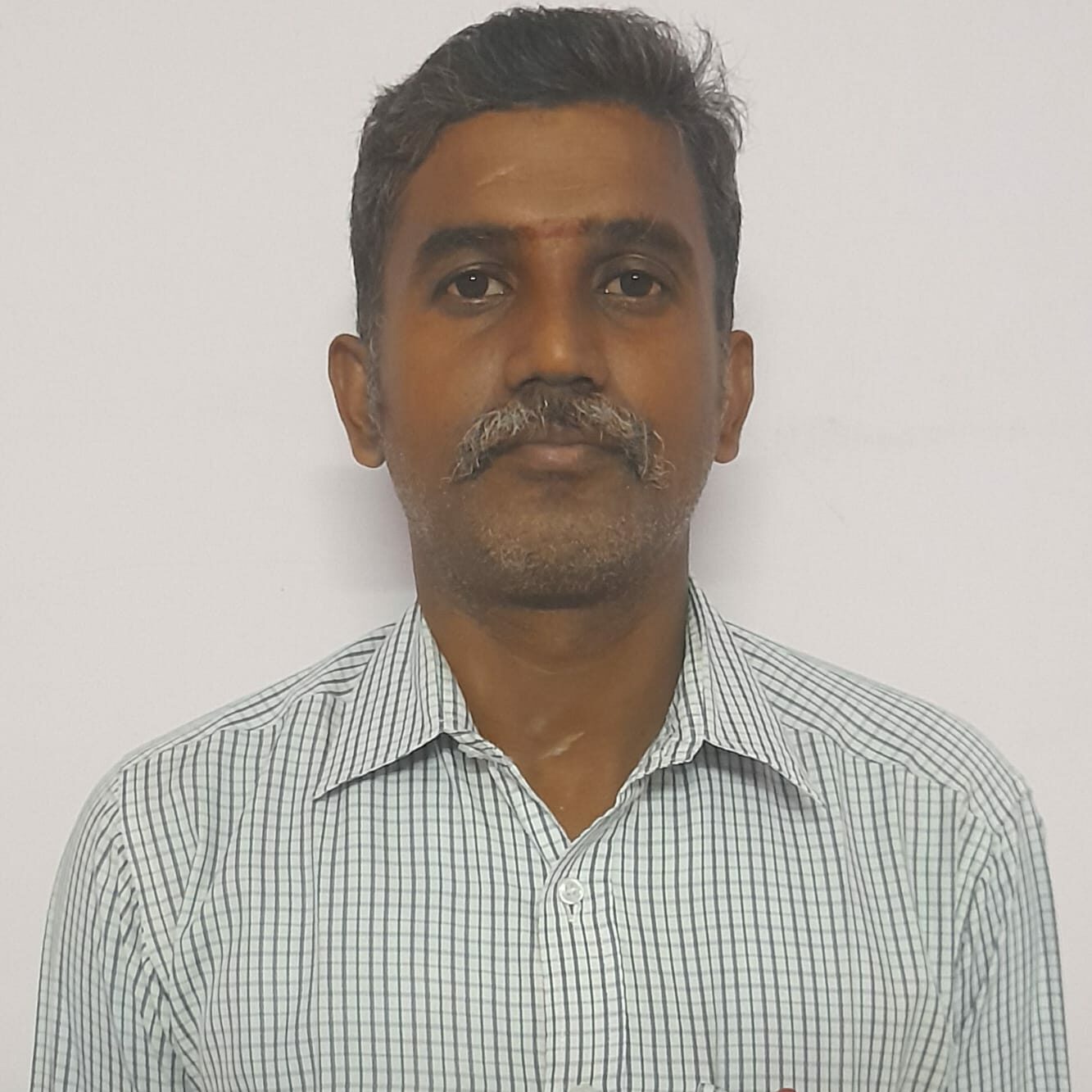
Vinoth Kumar Shanmugam
Vinoth Kumar Shanmugam is a Physics teacher. Having graduated in Physics and with multiple post-graduations in Education, English and Education Management, he cleared his NET and is presently doing research in Indic Educational system. He has an experience of 15 years in teaching values and ethics through many NGOs. He also has his own NGO that has been involved in education for more than 10 years. A Yoga trainer and motivational speaker, he has conducted various workshop in the core subject and in the ethical values and morals. Vinoth is a Trustee of Vishva Vidya Foundation which is focused on recovering Tamil Education and Bharatiya Shiksha.